
How We Work With You: Your Streamlined Path to Modular Success
At InteliMOD, we don’t just connect dots—we build bridges that turn your modular vision into funded, fabricated reality. Founded on the belief that off-site construction is the key to faster, smarter building, our process is collaborative, transparent, and laser-focused on your goals.
From day one, we partner to prepare you for success by crafting bankable financial packages, unlocking capital doors, and sourcing cutting-edge materials, so that you will enter investor and lender meetings with clarity and confidence. Our modular building techniques and factory-pipeline planning streamline your workflow, cutting delays and freeing you to focus on what matters—creating lasting communities. Together, we make building easier and your business growth unstoppable.
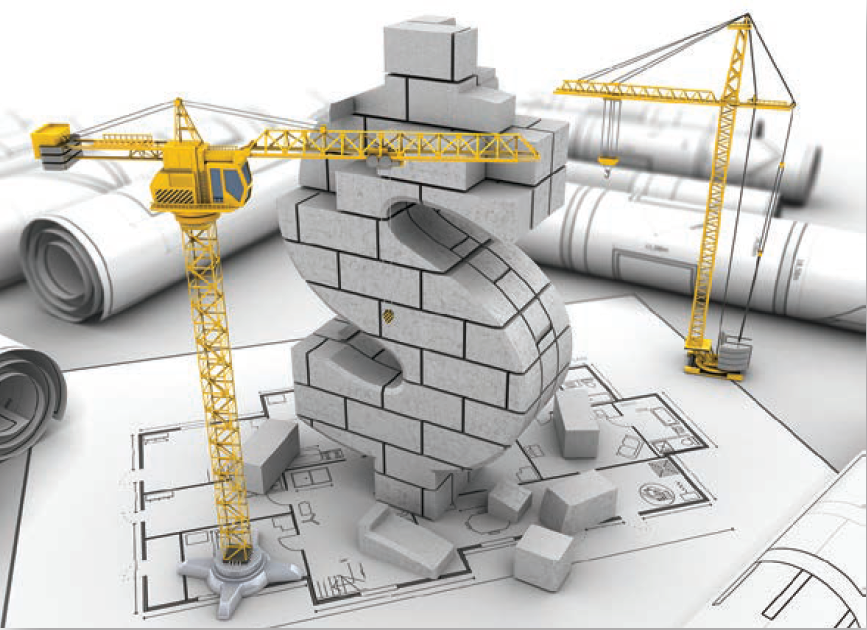
At InteliMOD, we’ve assembled a powerhouse team to support builders and developers at every stage of the journey. Our integrated approach ensures your project is not only buildable—but bankable. Our Team includes:

- Finance Team with Deep Capital Connections Tap into our network across debt and equity to secure the right funding for your build.
- Business Strategists We review your critical documents—pitch decks, proformas, and investor materials—to ensure you’re presentation-ready.
- Architectural Visionaries We help design communities that resonate—beautiful, functional, and factory-ready.
- Realtor Advisors Evaluate your project’s market potential early and plan a smart exit strategy from the start.
- Engineering Support From structural integrity to modular feasibility, our engineers are hands-on throughout.
- CPA & Accounting Partners Maximize every available tax benefit and structure your financials for long-term success.
- Permit & Entitlement Experts Navigate approvals faster with seasoned professionals who know how to clear the path.
And most importantly, we’re proud to be aligned with strategic off-site companies that deliver cutting edge solutions at preferred pricing and terms to our clients including:

Together, We don’t just build — We position you to win.
Here’s how we partner with you, step by step.!

1. Discovery & Assessment.
This phase is about uncovering every critical detail to shape a builder-first plan. Our experts (with boots-on-the-ground experience) identify opportunities, like cost-saving off-site methods or funding mismatches. We focus on the following areas:
- Project objectives: goals for scale, timeline, budget
- Site and context: zoning, topography, utilities, environmental constraints
- Stakeholder priorities: brand values, community impact, design preferences
- Financial parameters: target ROI, funding sources, lender criteria
- Existing materials: concept sketches, feasibility studies, market research
- Factory capacity snapshot: current pipeline slots, lead-time expectations

2. Strategy.
In Strategy, we translate insights into a tailored roadmap that aligns modular techniques with financial success.
- Modular approach blueprint: unit types, panel systems, assembly sequencing
- Proforma modeling: cash-flow projections, cost breakdowns, sensitivity analyses
- Pitch-deck narrative: value proposition, market positioning, investor story arc
- Manufacturing scheduling plan: optimal queue entry, buffer planning, lead-time alignment
- Risk mitigation tactics: permit strategy, code compliance, contingency reserves
- Engagement framework: messaging pillars, stakeholder touchpoints, approval gates

3. Implementation.
Here we activate the strategy through document creation, technical coordination, and stakeholder enablement.
- Document production: polished pitch decks, lender-ready proformas, financing packages
- Design-to-factory integration: BIM/CAD files, technical specs, quality standards
- Financing outreach support: investor briefings, Q&A prep, due-diligence folders
- Factory coordination: slot confirmation, production tracking, pre-assembly reviews
- Regulatory submissions: permit packets, compliance checklists, inspection scheduling
- Client enablement tools: process guides, communication channels, status dashboards

4. Optimization.
Optimization ensures ongoing refinement, driving efficiency, cost savings, and stronger outcomes.
- Performance tracking: cost variance, schedule adherence, quality metrics
- Feedback loops: builder and factory input, on-site observations, post-milestone reviews
- Iterative design updates: component tweaks, material substitutions, standard-work edits
- Financial reforecasting: updated proformas, revised assumptions, margin analysis
- Process refinements: approval workflows, lead-time reductions, waste minimization
Knowledge sharing: best-practice libraries, playbooks, lessons-learned sessions